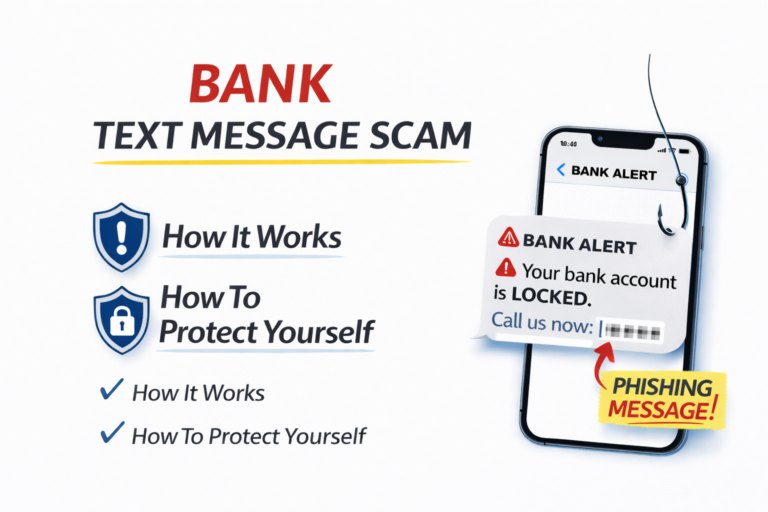
It started with a simple text message.
A warning from her bank.
A transaction she didn’t recognize.
A request to confirm her account activity.
At first, nothing seemed unusual.
The message looked real.
It used the bank’s name.
It even appeared in the same message thread as previous alerts.
So she did what most people would do.
👉 She responded.
And that’s when everything changed.
👉 Learn how to recognize scam messages before they catch you off guard:
https://securewithvpn.com/online-security-warning-signs/
The Text That Started It All
The woman, who ran a small catering business, received a message warning of suspicious activity on her account.
Naturally, she was concerned.
No one wants to ignore a possible banking issue.
The message asked her to confirm whether the transaction was legitimate.
Trying to protect her account, she responded immediately.
👉 This is exactly how these scams begin.
Not with something obvious…
…but with something that feels responsible.
The Call That Made It Seem Real
Shortly after replying, she received a phone call.
The person on the other end claimed to be from the bank’s fraud department.
They sounded professional. Calm. Reassuring.
They explained that someone was attempting to access her account and that they were there to help secure it.
Then they asked for verification.
Codes sent to her phone.
Basic account confirmations.
Simple steps to “protect” her money.
👉 It all felt legitimate.
But it wasn’t.
What Really Happened
Those verification codes weren’t for protection.
They were the keys.
By sharing them, she unknowingly gave the attackers access to her account.
Within minutes:
- transfers were initiated
- funds were moved
- control was lost
By the time she contacted her bank…
👉 thousands of dollars were gone.
Why This Scam Works So Well
Most people don’t fall for scams because they’re careless.
They fall for them because the situation feels urgent.
Messages like:
- “Suspicious transaction detected”
- “Your account has been locked”
- “Verify your identity immediately”
…are designed to trigger panic.
And when people panic, they act quickly — without verifying.
👉 That’s exactly what attackers rely on.
One Small Action Can Lead to Big Losses
Most victims don’t think they’re doing anything risky.
They believe they’re protecting themselves.
But in reality, even small actions can be enough:
- replying to a message
- clicking a link
- sharing a code
👉 can start the process.
Where These Messages Come From
These scams aren’t random.
Your phone number may already be circulating through:
- data breaches
- leaked contact lists
- marketing databases
👉 That’s why the message can feel targeted and personal.
If you’ve ever wondered why you receive these types of messages:
https://securewithvpn.com/why-scam-texts-know-your-name/
Warning Signs of a Bank Text Message Scam
There are clear signs — if you know what to look for.
Be cautious of messages that:
- ask you to call a number immediately
- request passwords or verification codes
- include links to log in
- create urgency or pressure
👉 Legitimate banks rarely ask for sensitive information through text messages.
Why Basic Protection Isn’t Enough
Most people rely on:
- passwords
- being careful
- recognizing obvious scams
But these attacks are designed to bypass all of that.
They exploit:
- timing
- emotion
- trust
👉 That’s why having basic protection in place matters.
Tools like:
- Bitdefender (device protection)
- NordVPN (secure connection & browsing protection)
…help reduce risk by blocking threats before they reach you.
What You Should Do If You Get a Message Like This
If you receive a suspicious banking message:
- Do NOT click any links
- Do NOT reply
- Contact your bank directly using official channels
- Check your account activity immediately
👉 If something feels off, trust that instinct.
If You’ve Already Responded
Don’t panic — but act quickly.
- change your passwords
- contact your bank immediately
- monitor transactions
- secure your other accounts
👉 Follow this step-by-step guide:
https://securewithvpn.com/what-to-do-after-being-hacked/
Before This Happens to You
Most people only take security seriously after something goes wrong.
By then, the damage is already done.
Get the Free Internet Security Guide
If you want a simple, step-by-step way to protect your:
- bank accounts
- email accounts
- phone
- passwords
- and personal data
👉 Download the Free Internet Security Guide
https://securewithvpn.com/free-online-security-guide/
It walks you through exactly what to check and what to fix — even if you’re not technical.
Final Thoughts
The bank text message scam is growing fast — and becoming more convincing every year.
What makes these attacks dangerous isn’t complexity…
👉 it’s how real they feel.
A single message can lead to serious financial loss.
But once you understand how these scams work…
👉 you’re far less likely to fall for them.